
Protecting Where Your Food Comes From.
We're protecting over 400,000 acres of organic farmland along with the thousands of plants and animals that call it home.
Learn more

We're protecting over 400,000 acres of organic farmland along with the thousands of plants and animals that call it home.
Learn more
Goodness from the ground up

NEW! Upcycled Bags
These limited edition totes—upcycled from our billboards—are the newest addition to the PROTECT Collection.
Shop now

Supports Brain Health for Your Family
New Organic Valley Family First milk has all the goodness of our traditional milk plus 50 mg of DHA Omega 3 per serving.
Learn more

New Look, Same Great Milk!
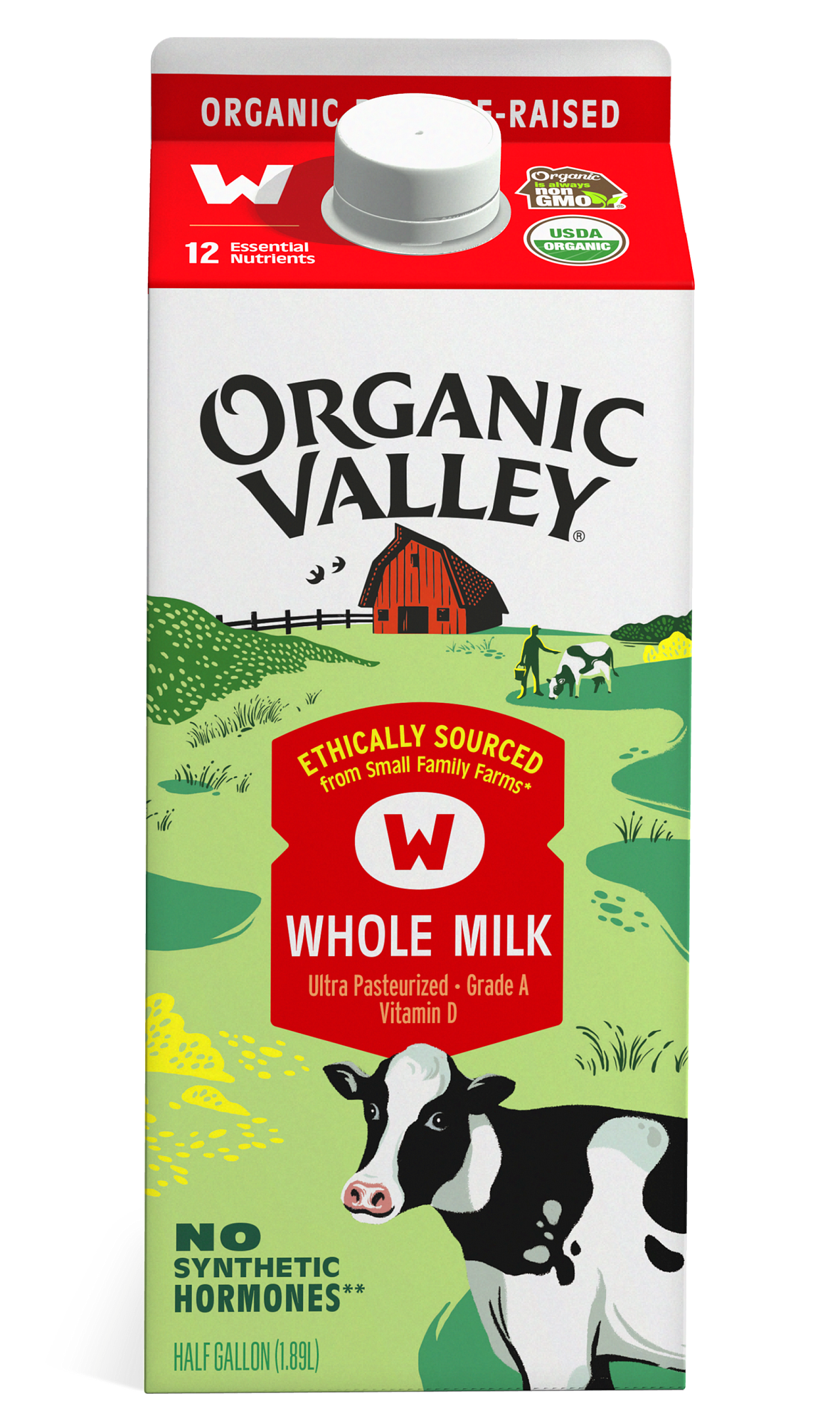
Find our new cartons in stores and online. New look, same great milk ethically sourced from our small organic family farms!
Learn more

Biggest Small Farm Livestream
On National Farmers Day we brought a firsthand farm experience to viewers live from our small organic family farms, coast to coast, all day long.
Learn more
We’ll give you even more to love!
Sign up for our newsletter and we’ll send you a coupon good on Organic Valley products.
Love what you bring to the table
You’ll find all our organic products filled with nutritious goodness, raised humanely, and ready for your family to enjoy.


Find Organic Valley Products Near You.

Introducing an Organic Valley Milk that Puts Family First
Family First, Organic Valley’s newest product, is for milk lovers of all ages. It supports brain health and much more. It has the 12 essential nutrients found in our other milks and bonus, we’ve added 50 mg of DHA omega 3 per serving.
Read more

Organize Your Refrigerator for Healthy Eating
Eating healthy doesn’t have to be a daunting task. The Internet makes it seem like you have to be on some diet or take some trendy supplement to be “healthy.” When you set up your environment to support your health goals, it becomes a lot easier to reach these goals.
Read more
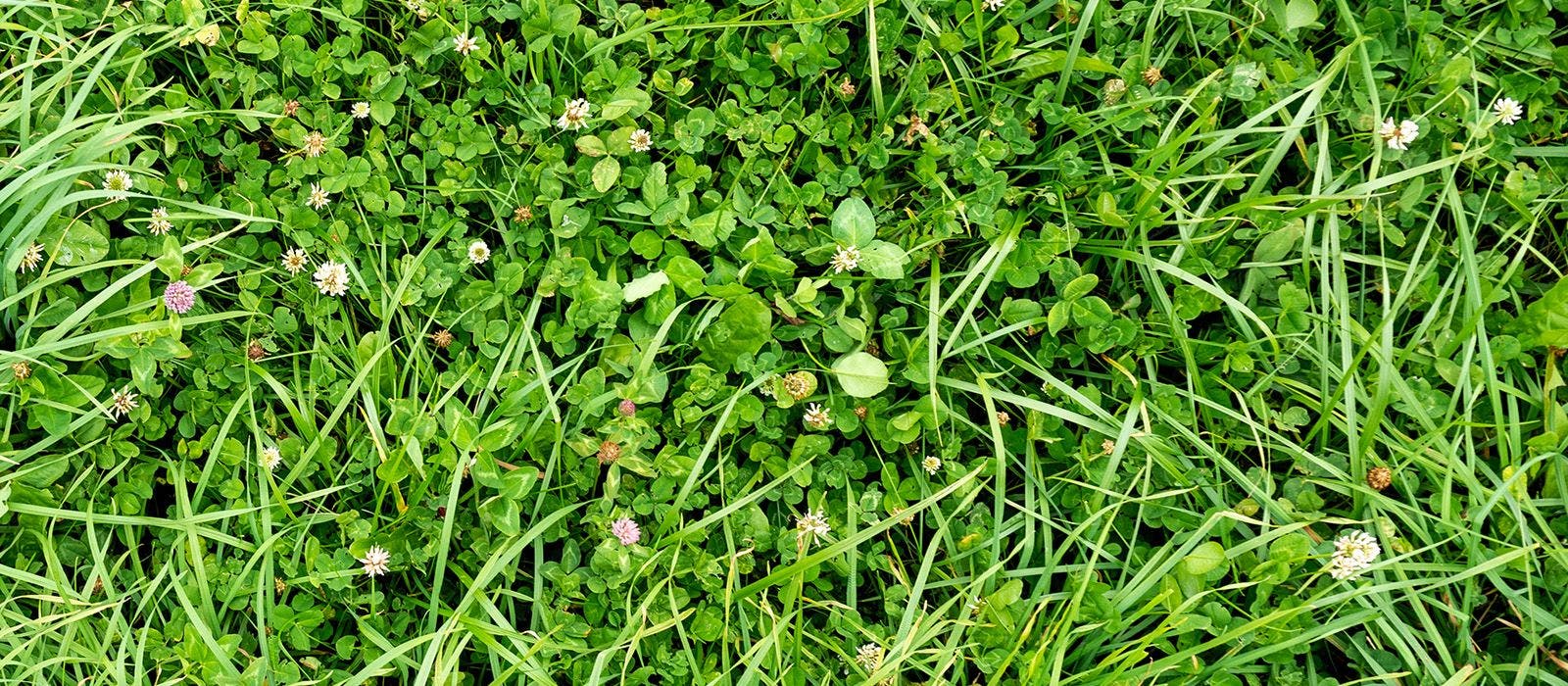
The Well-Deserved Hype Behind Organic Grassmilk®
Like its name says, Organic Valley Grassmilk® is milk that comes from cows that eat grass, just grass. But it’s also a little more complex and even means some surprising nutritional benefits for you and your family!
Read more