
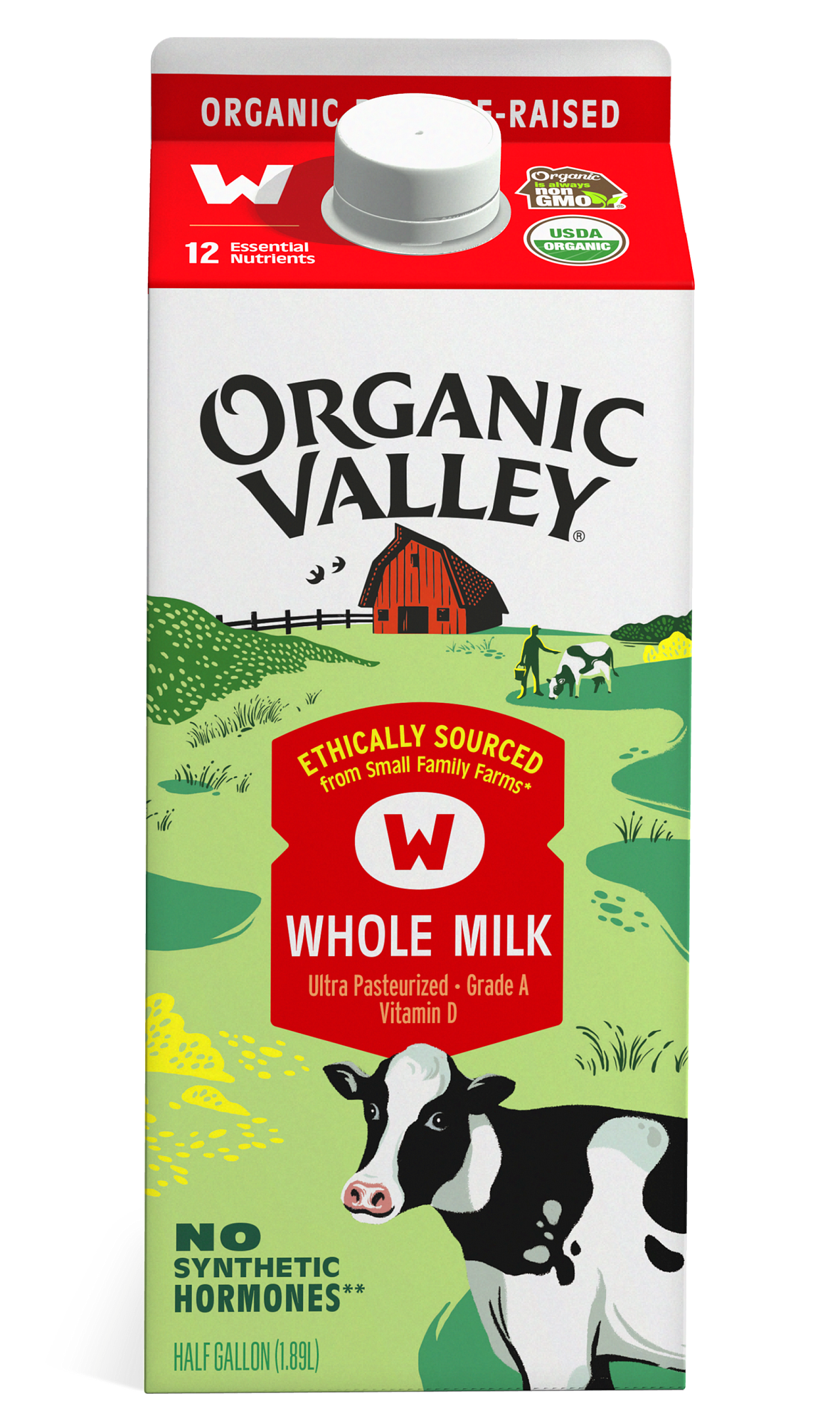
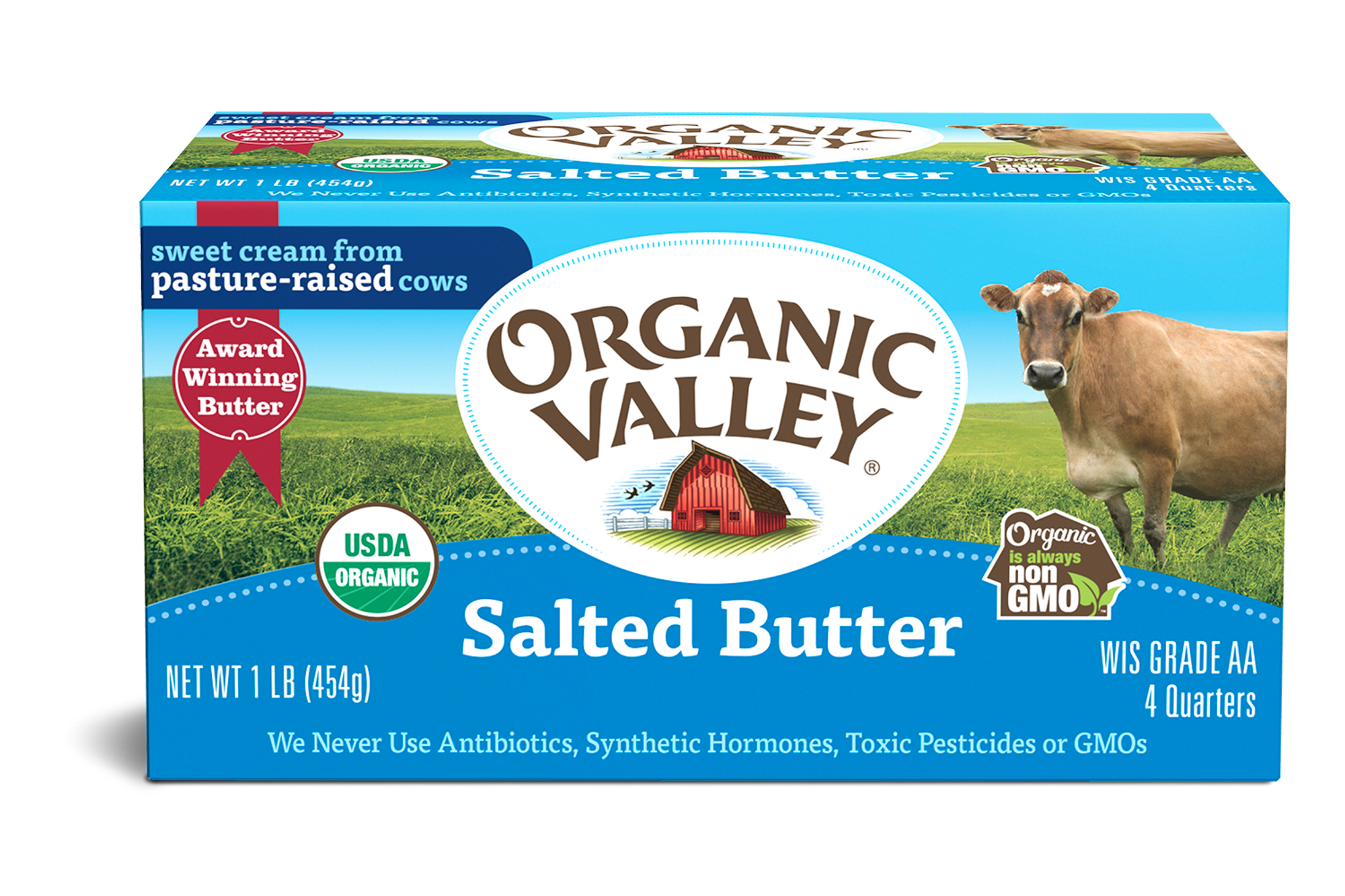
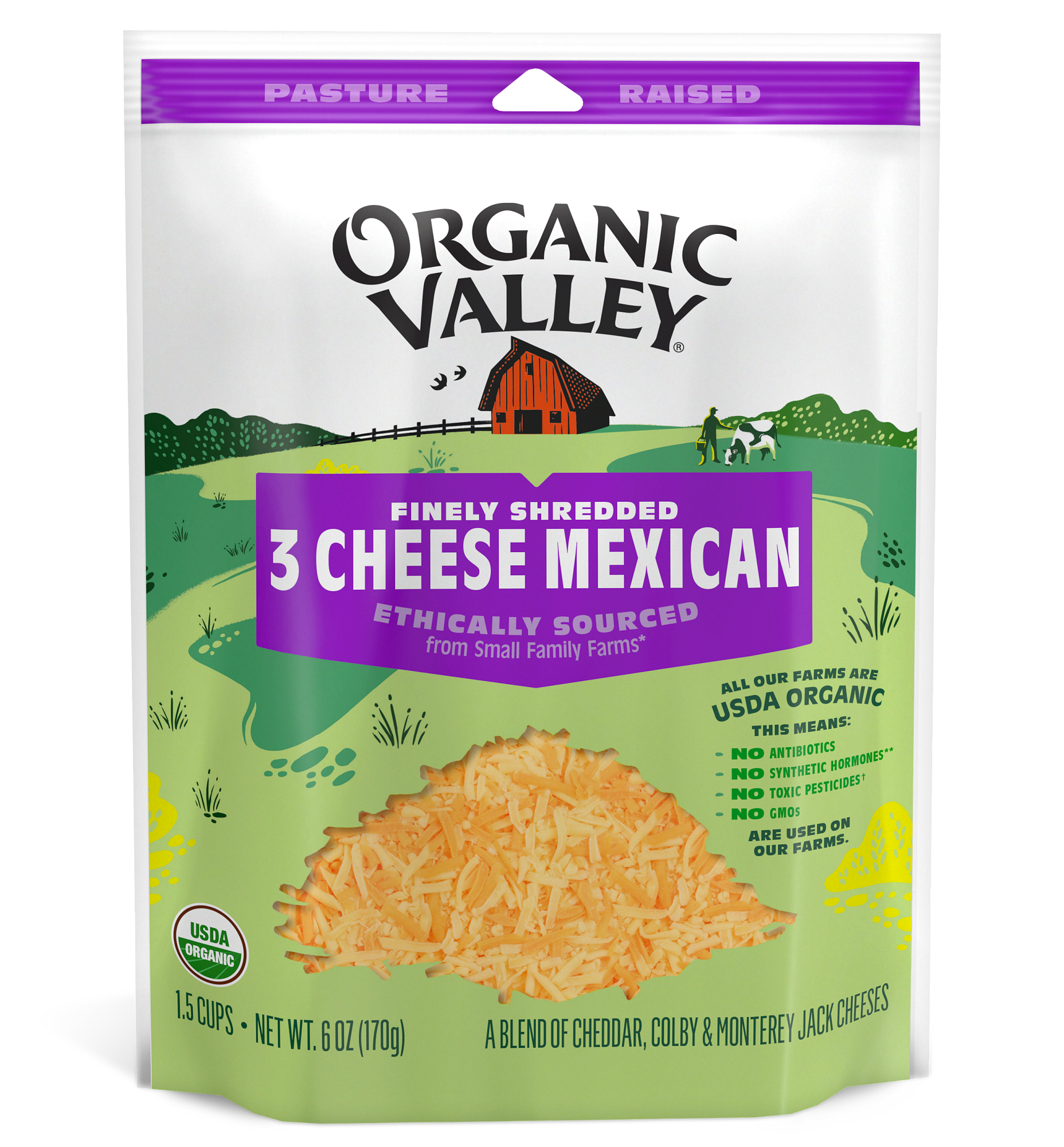
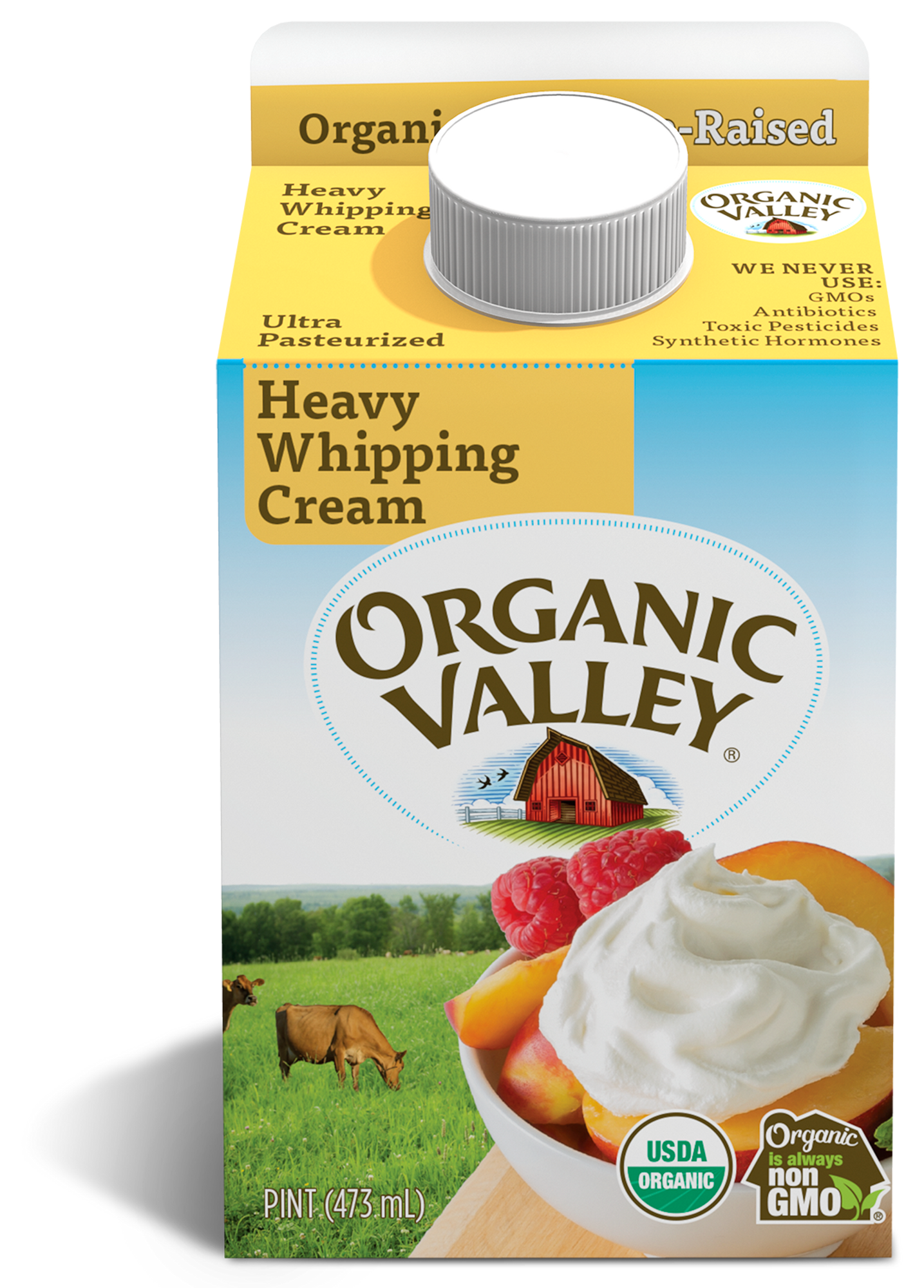
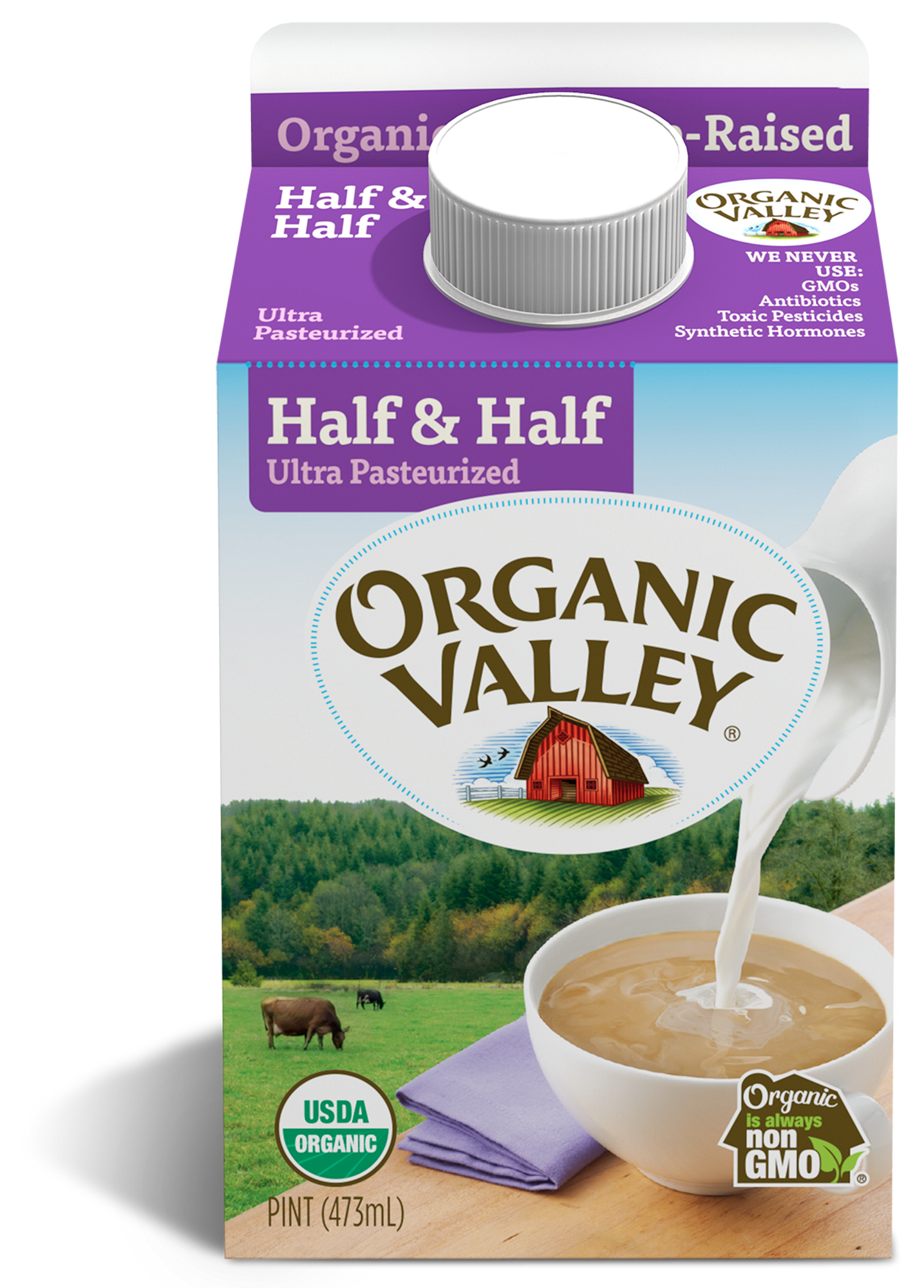
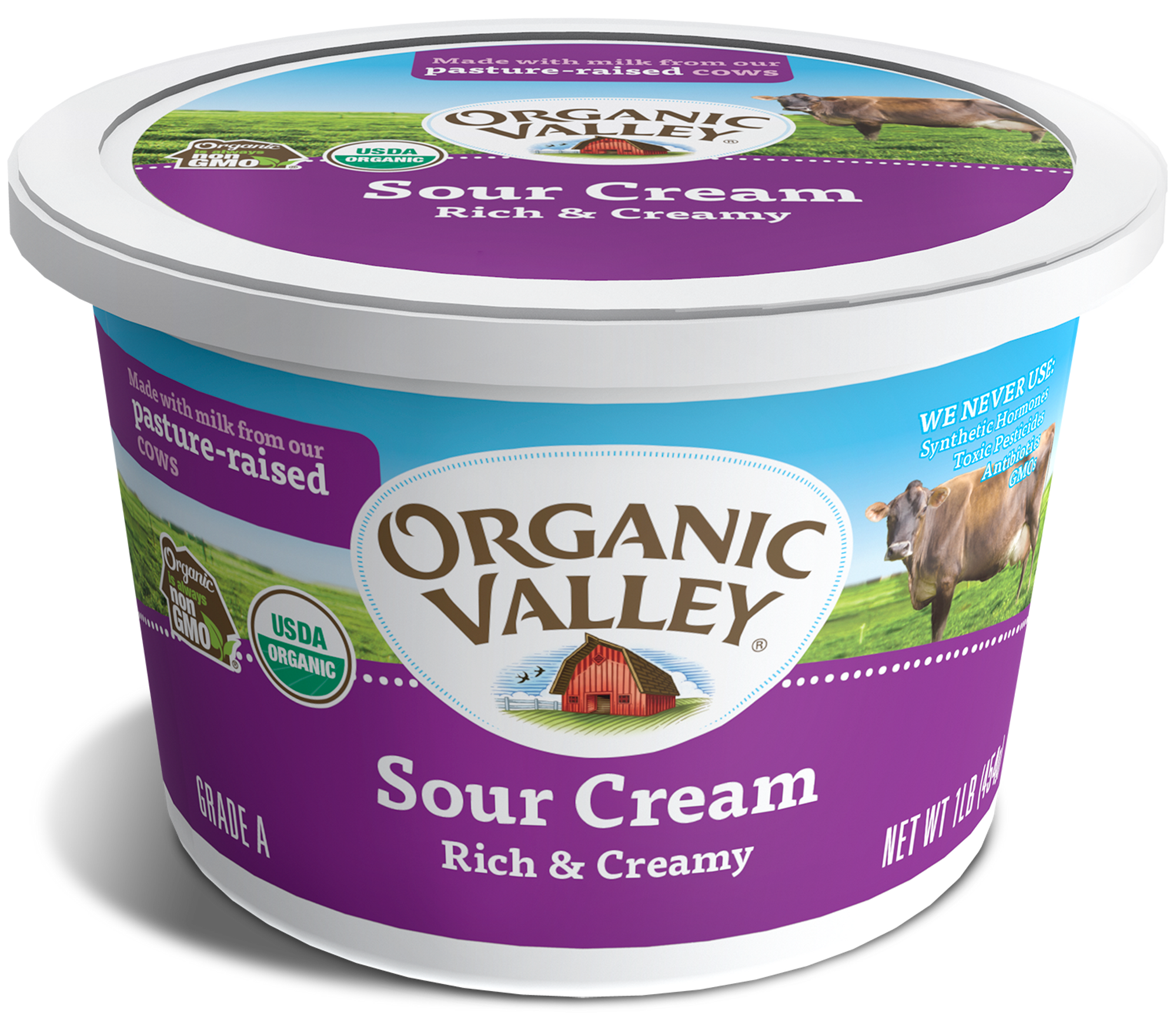
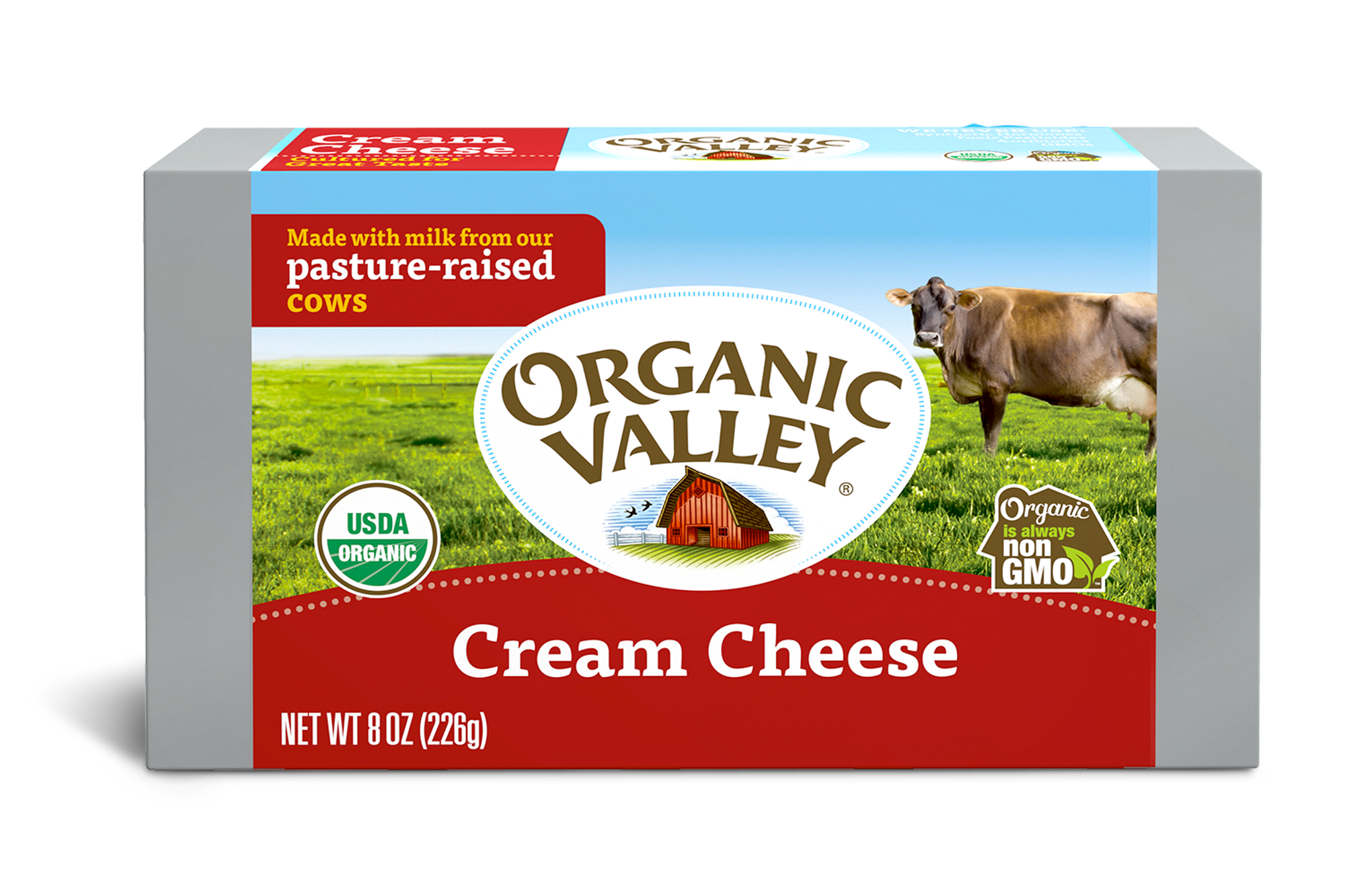
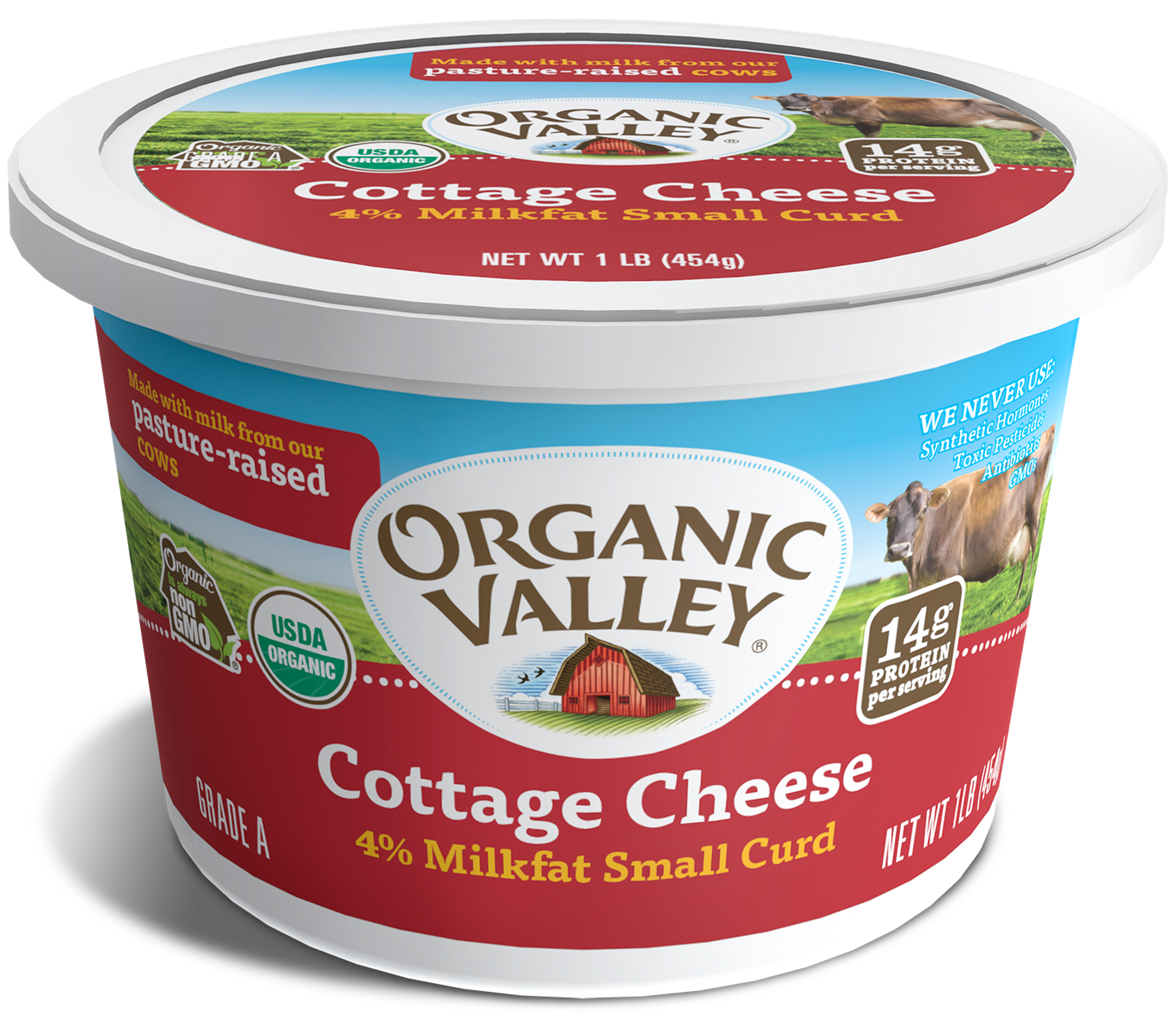
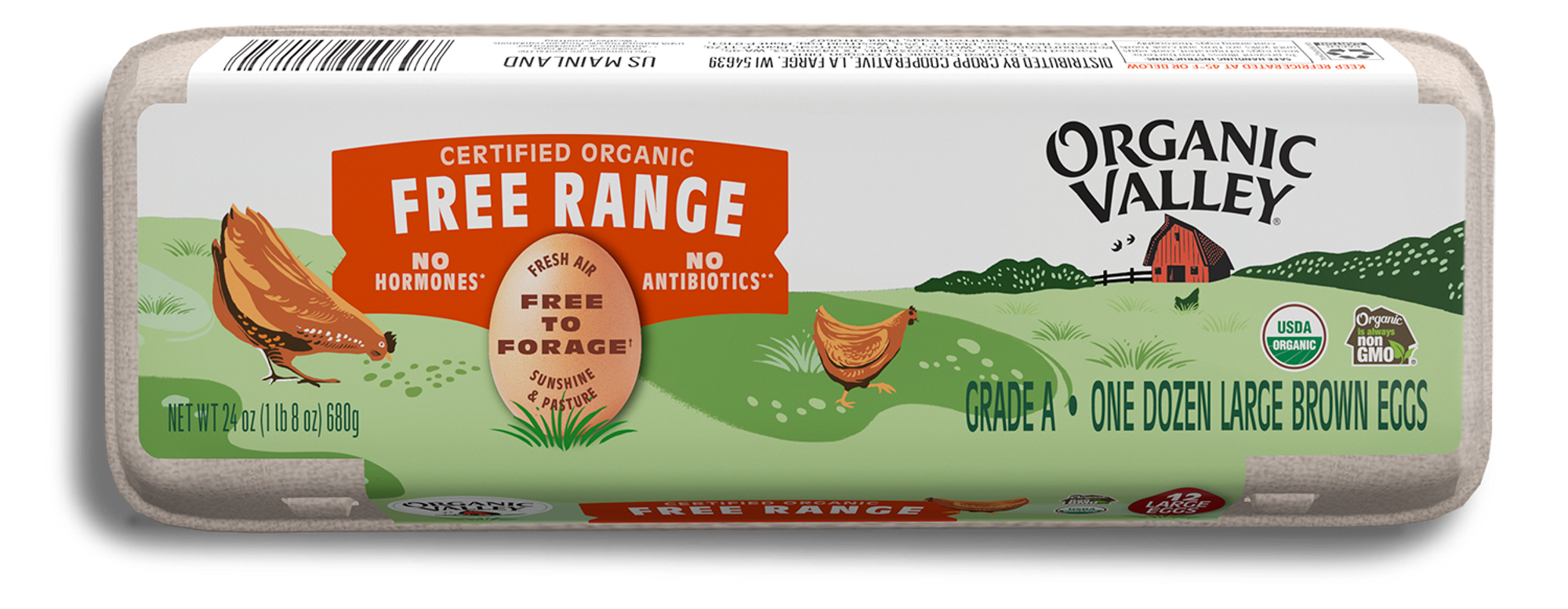

At Organic Valley, we like to keep things honest and simple. Like dairy produced with no added hormones, antibiotics or toxic pesticides. Produce grown the organic way, with none of the toxins or synthetic fertilizers. And cheese made by farmers and artisans who care about the environment, the animals and you—our customers.
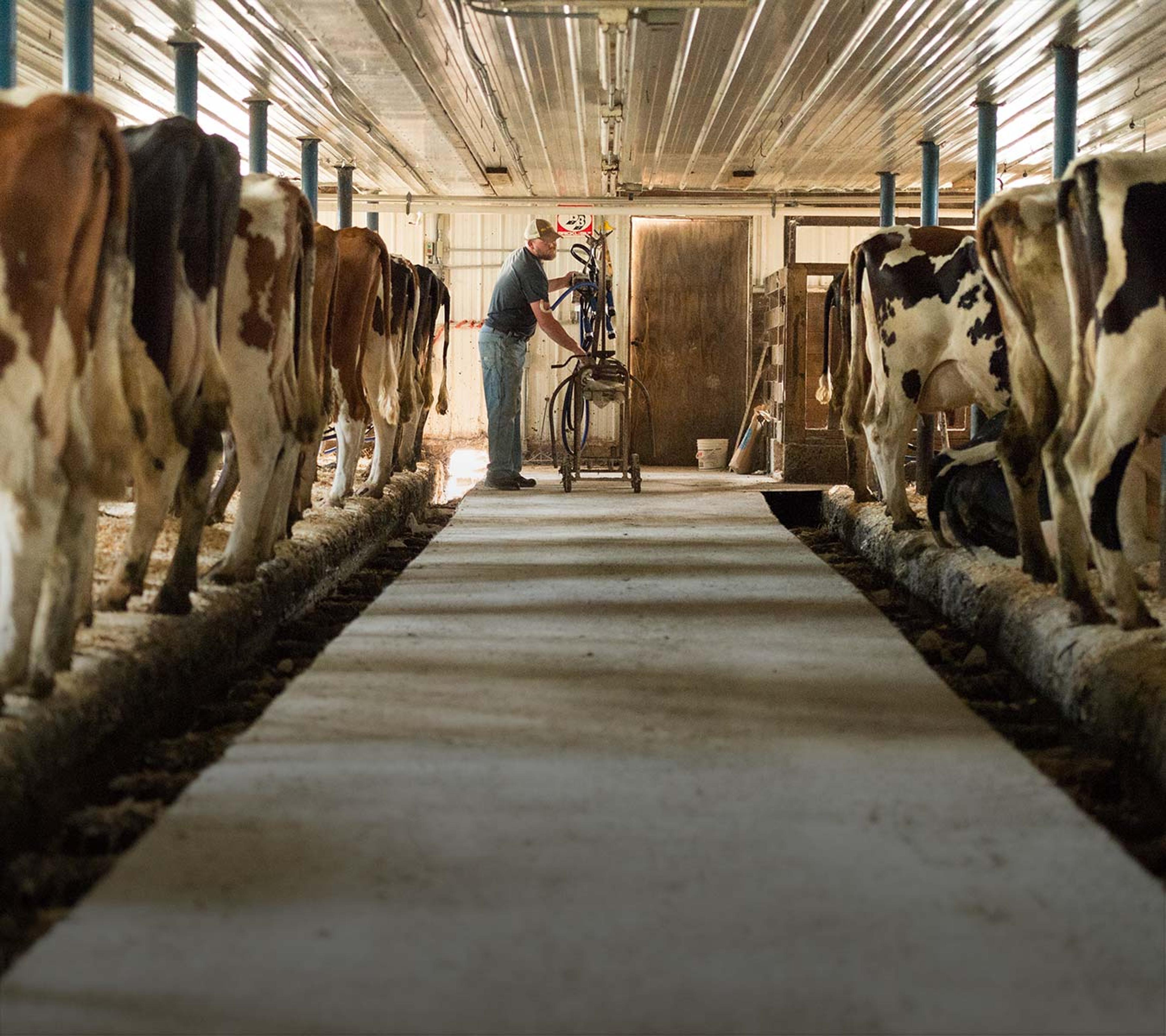
Our commitment to organic.
When it comes to organic, we don't just follow the rules, we helped the USDA write them.
Learn more
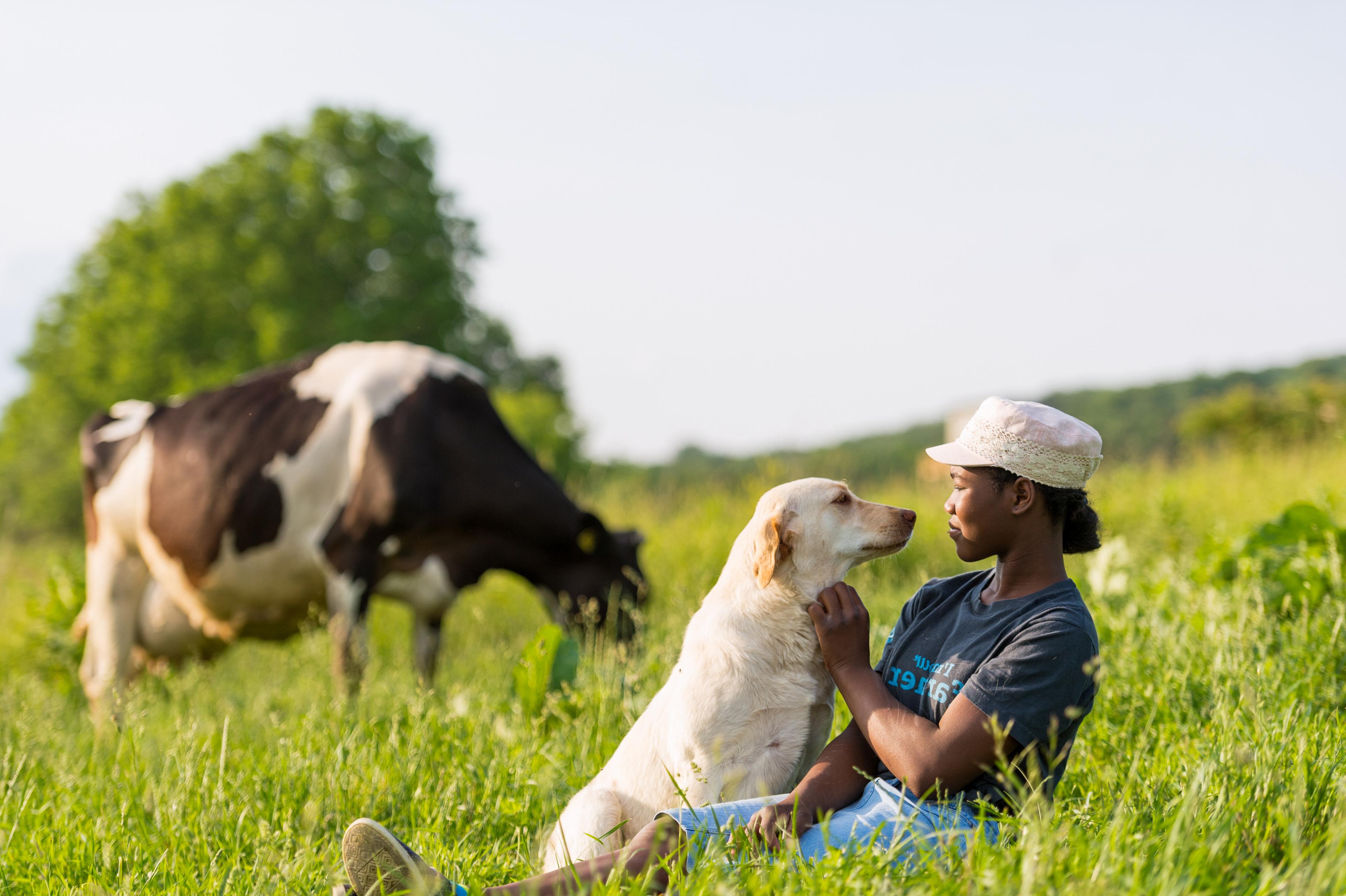
Animal care matters.
When we give our cows the best, they give us the best. Organic Valley knows the benefits of happy and healthy animals.
Learn more

Is organic really better?
Short answer: yes. But if you want to know more, here are five reasons why organic is better for you and your family.
Learn more

Organic is always non-GMO.
No matter how you define it, Genetically Modified Organisms have no business in our food.
Learn more

Organic is a sustainable practice.
When you respect the land, it returns the favor in so many healthy and delicious ways.
Learn more