
WE GET AS MUCH JOY OUT OF GROWING AND RAISING FOOD
AS YOU DO EATING IT
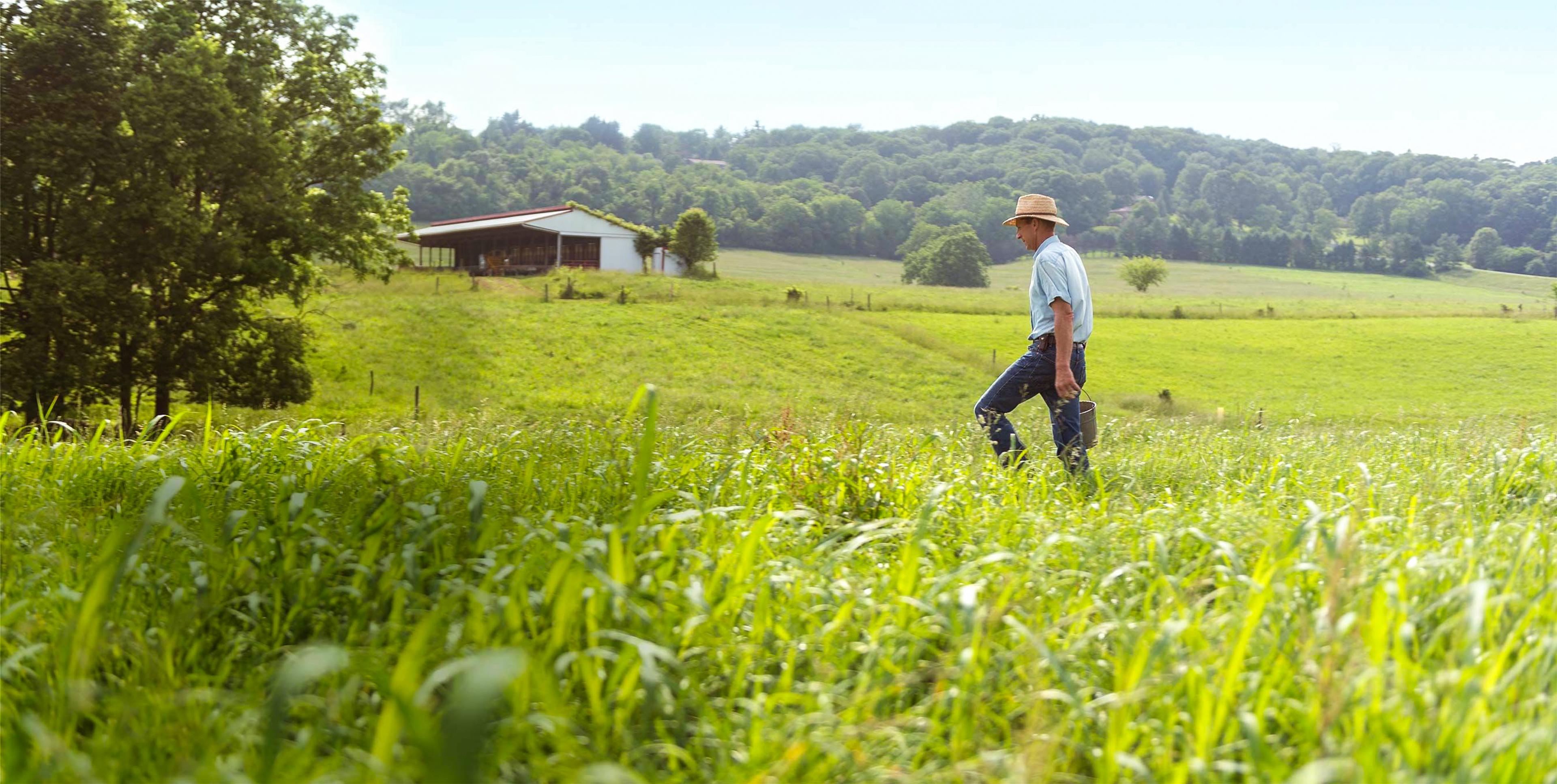
We believe your food should come from places — and people — you can trust. That’s why Organic Valley® is proudly owned by approximately 1,500 organic family farms across the U.S. They’re like the red-barn farms you can picture in your head, with vibrant green pastures, well-cared-for cows, and people who are willing to work from sunup to sundown because they love what they do. This isn’t industrial agriculture; this is family farming.
Real families. Real fields. Real food, raised organically.

Farms in 30+ States
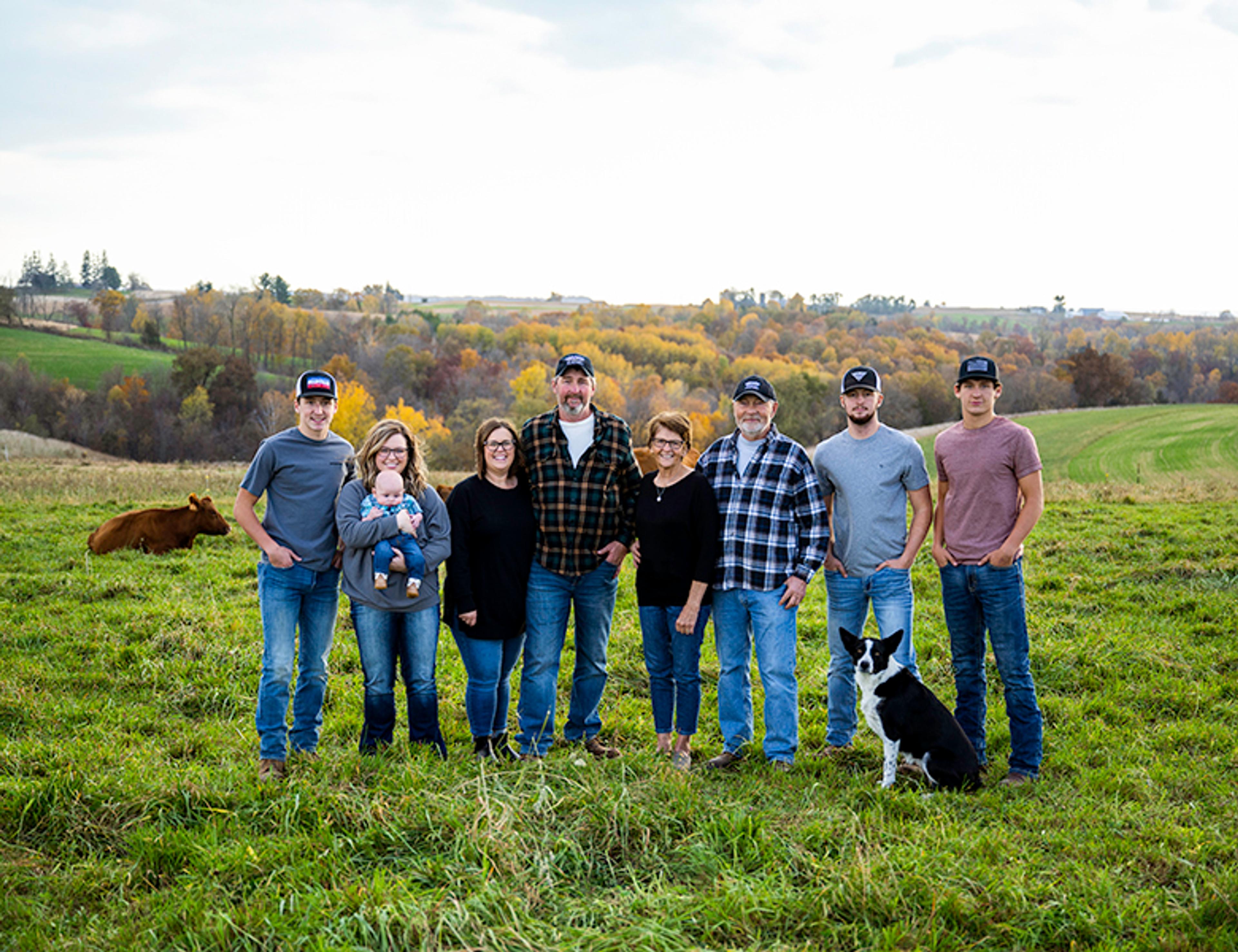
Our cooperative’s member farms stretch across the country from California to Maine. That means the food we produce comes from approximately 1,500 family farms — not massive industrial ag facilities. That means products that come from an agricultural food system that supports families and their local communities.

Generations of Farmers
The Organic Valley® milk in your fridge comes from farm families, some of who’ve been farming for up to four generations, with farming traditions that go back centuries. Within our cooperative, we see hope for the family farms of the future. The average age of Organic Valley farmers is a decade younger than the national average. We see families where the kids aren’t running away from the farm — they’re running it. Why? Because our co-op enables them to make a living doing work that matters — for their families, for your family, and for the communities in which they live.

Little Herds, Lots of Love
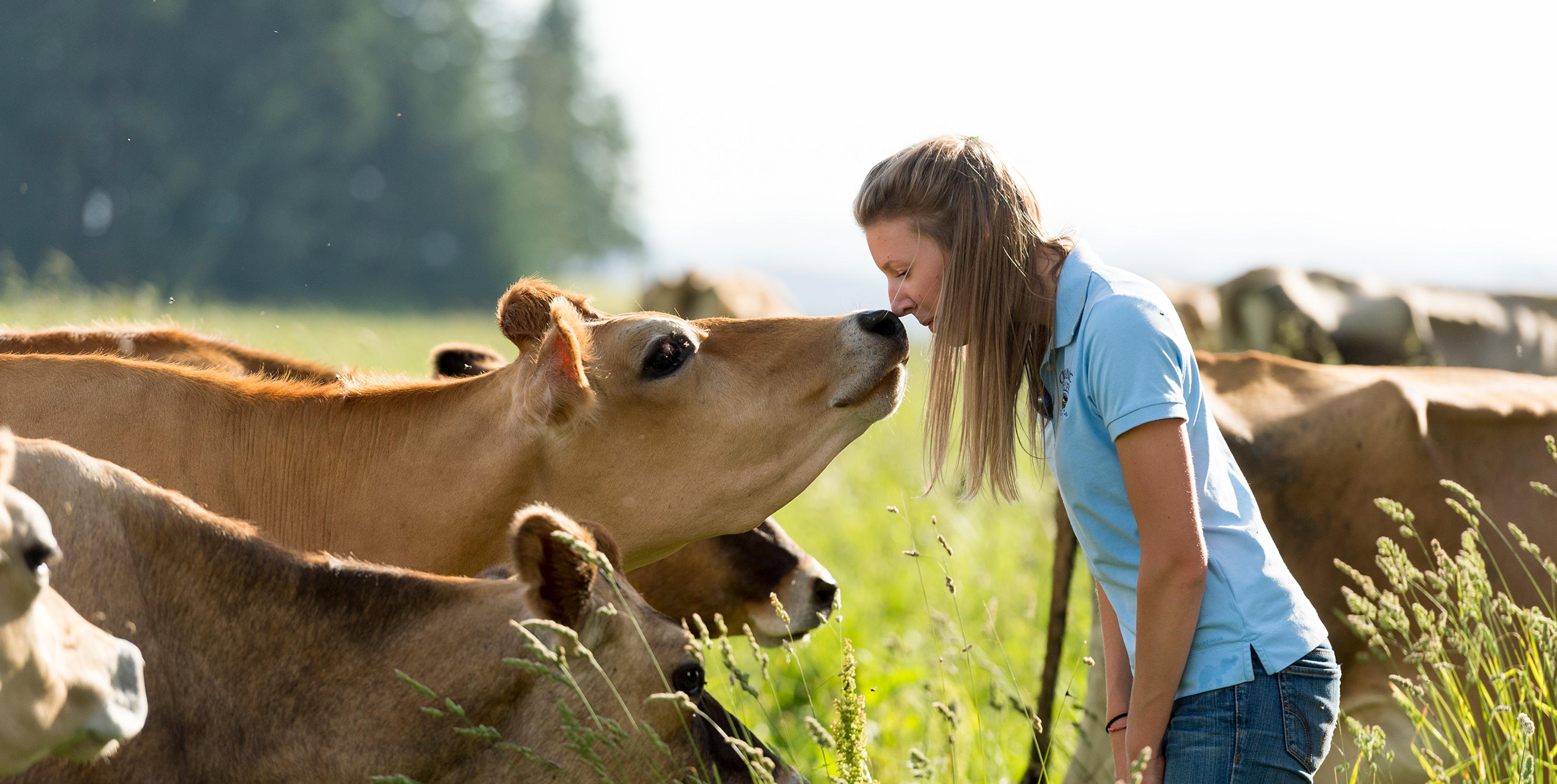
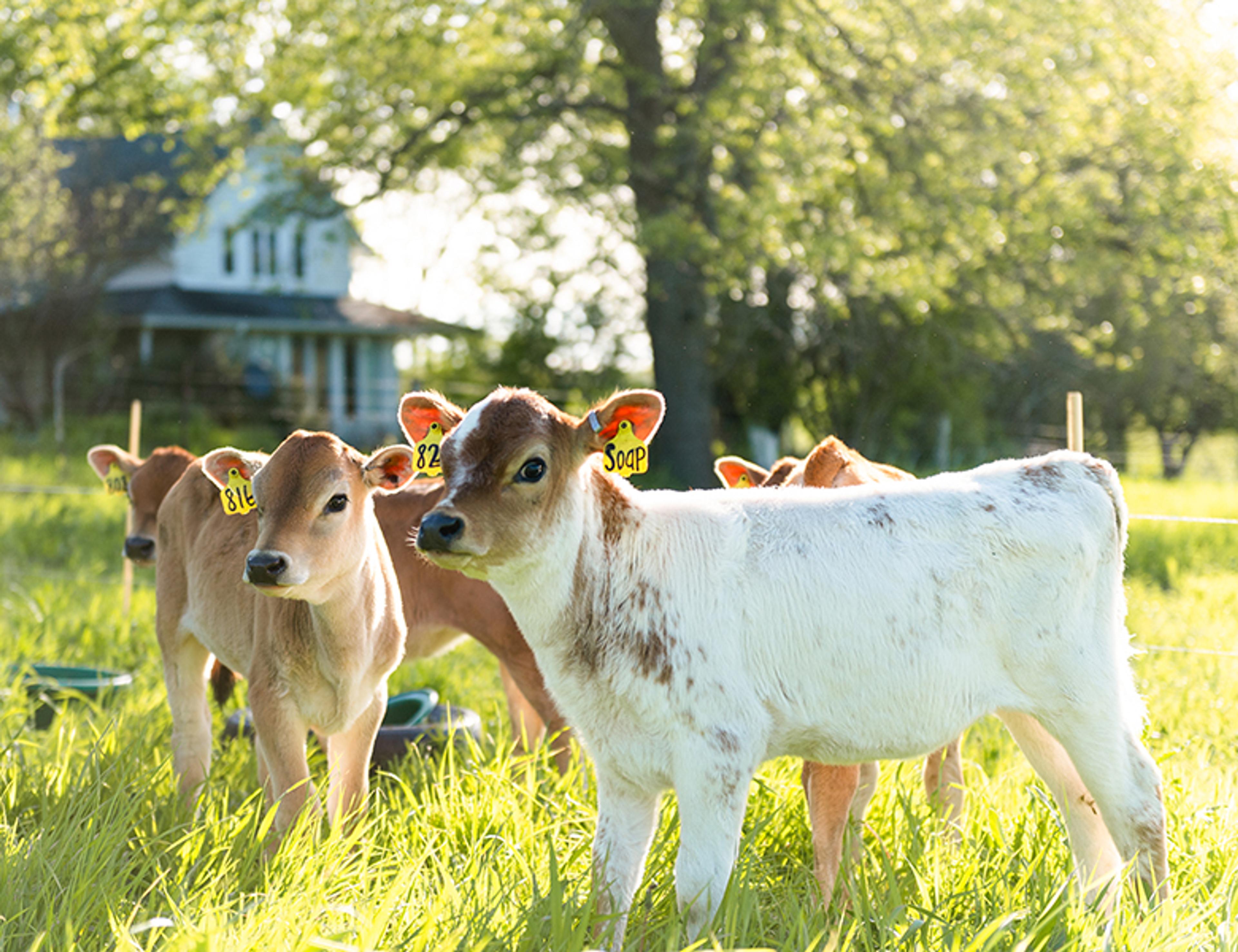
We like our herds like we like our farms — small, scrappy, and full of personality. With an average herd size of 70 cows, the farm families in our cooperative are able to give the animals quality care.

Certified USDA Organic, Always
Becoming certified organic takes time — three years, to be exact. That’s how long farmers must farm under the requirements of the National Organic Program without the use of prohibited substances before their land can be considered organic. It’s not easy or cheap. Our farmers commit to pasture-raising animals and maintaining compliance with the rigorous USDA Organic Standards required for organic farming. They make this choice for their families and yours.

No Artificial Growth Hormones, Antibiotics, or GMOs
Our farms let animals grow and produce milk and eggs naturally under the requirements of the USDA National Organic Program. This means they never treat their animals with artificial growth hormones, antibiotics, or GMOs.

No Toxic Pesticides or Synthetic Fertilizers
Our farmers care for their land in ways that protect where your food comes from. Under the USDA National Organic Program, our farmers use innovative farming techniques and practices, such as stocking natural predators of pests or the old-school style of pulling ragweed by hand, as an alternative to relying upon the agrichemicals prohibited in organic agriculture. By farming organically, we estimate that our farms have collectively kept over 540 million pounds of agrichemicals off the land since our founding in 1988.
Get to Know the People Who Grow and Raise Your Food

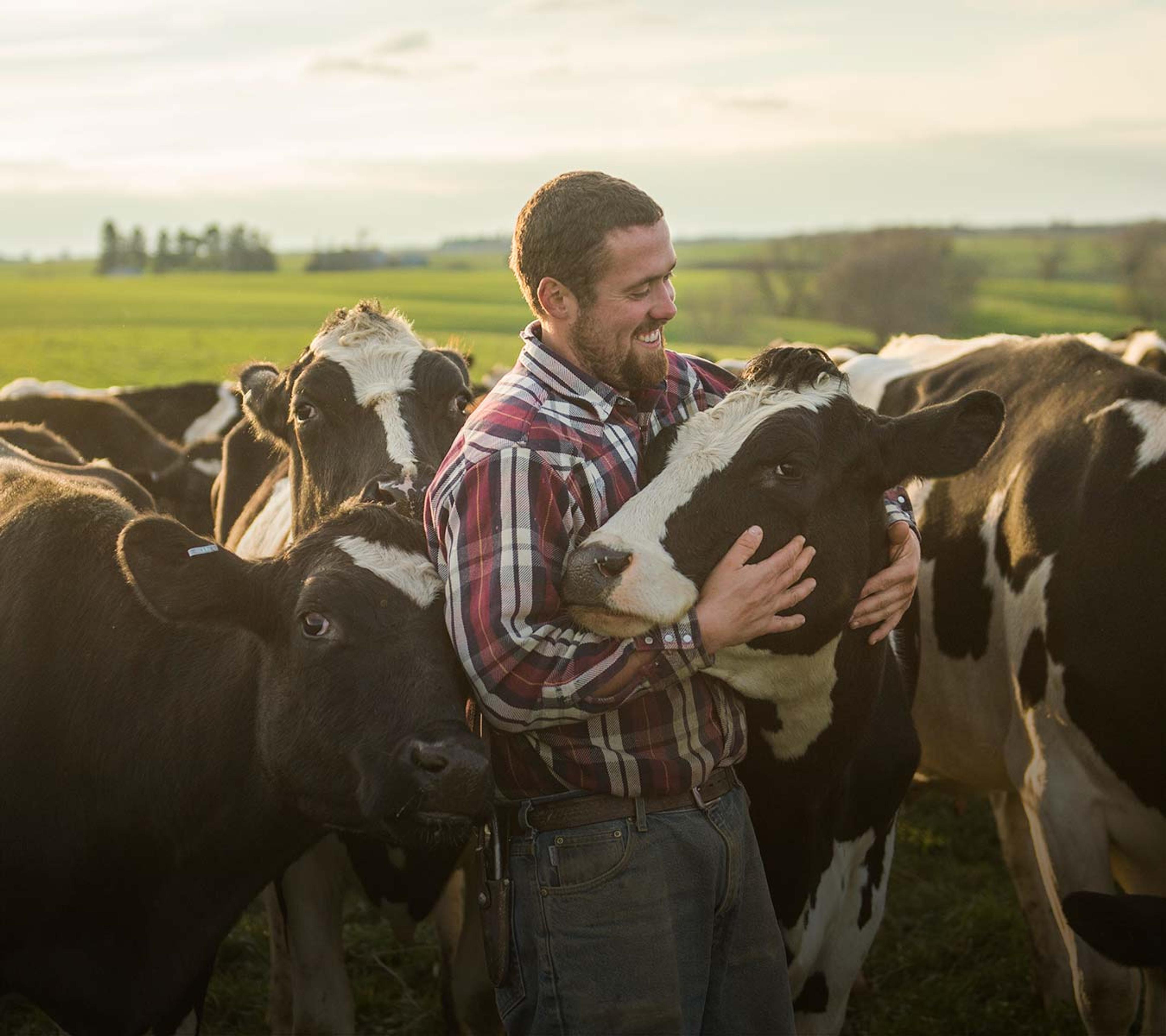
If you could talk with members of our cooperative, you’d hear story after story about how farming is a labor of love. Abbie Corse moves her cows to fresher pasture every 12 hours during the grazing season, so they get new greens to munch on. During the winter months, Tim Kline sets his alarm for 1 a.m. when it’s 11 below to make sure nothing’s frozen in his barn. Jordan Settlage works to balance the nutrients in his soil so his cows can thrive on healthy grasses in his pastures. These are the people behind your food — farmers who believe that nourishing food begins with caring for the animals and the land.
Meet Your FarmersSee Where Your Food Comes From

We have family farms all across the U.S. That means wherever you are, you're never far from one of our family farms. Enter your zip code to find your closest Organic Valley farm.
Find Your Farmer
See It to Believe It
We always say that if you could step onto our farms, you’d be an Organic Valley customer for life. But if you can’t make the trip, we’ve got the next best thing — a virtual look at our farms. Because when it comes to knowing where your food comes from, we believe in opening the barn doors.
Tour our farms